A Shrine, to offer the elegant atmosphere of the Heian aristocracy with its expanded beautiful garden.
Jonan-gu (城南宮), meaning “the shrine south of the capital,” is located south of Kyoto Station.
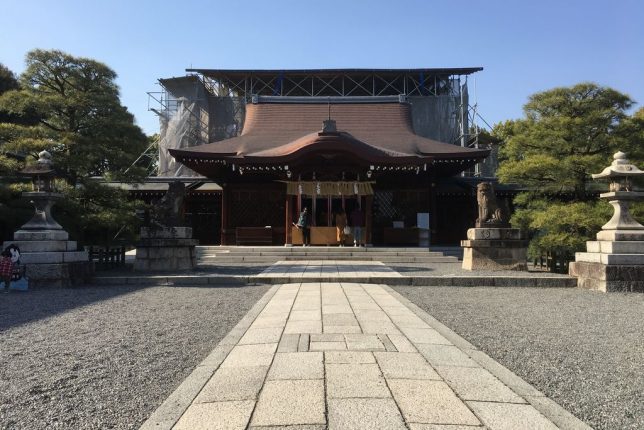
The shrine was established in 794 to protect the newly founded capital and ensure the nation’s peace. Its surrounding area soon became popular with the imperial family and aristocrats, who built villas nearby. In 1086, retired Emperor Shirakawa constructed a magnificent villa covering 2 square kilometers around Jonan-gu, known as Jonan Rikyu or Toba Rikyu. Governing from the villa, Shirakawa made it a center of politics and culture, where elegant Heian traditions—poetry gatherings, sumptuous banquets, and pleasure boat cruises—flourished.
Nearby are the impressive tombs of Emperor Shirakawa and two other emperors, visible on a walk from Takeda Station. Although the original shrine buildings were destroyed by fire, the current structures were rebuilt in the 1970s, preserving the refined atmosphere of the ancient capital. The expansive Japanese garden was created at the same time, offering a serene and elegant setting.
Features
Weeping Cherry Blossom
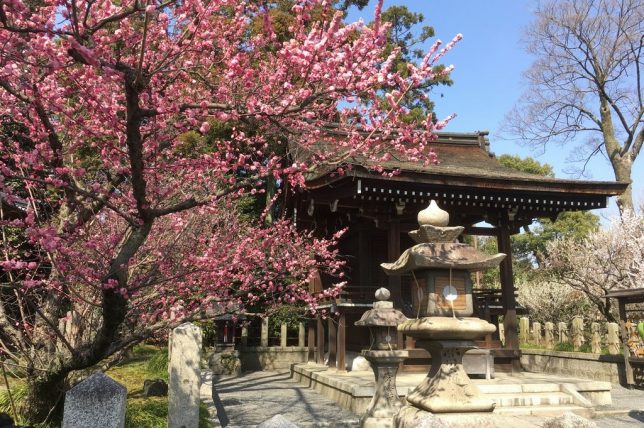
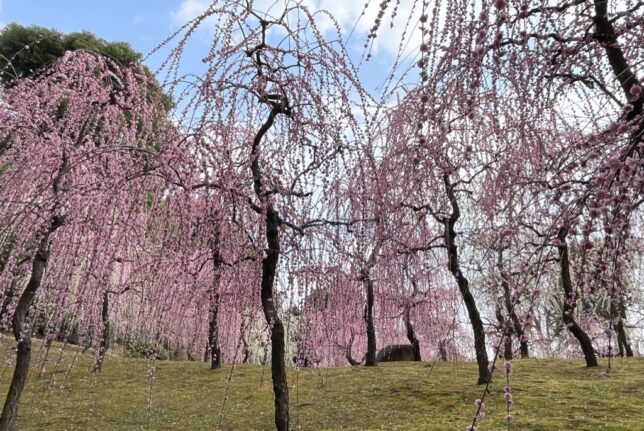
Jonan-gu Shrine is especially famous for its stunning weeping plum blossoms. Visitors can enjoy its beautiful gardens, which feature seasonal flowers throughout the year. The garden is divided into five distinct areas, and you can stroll along paths that connect them all.
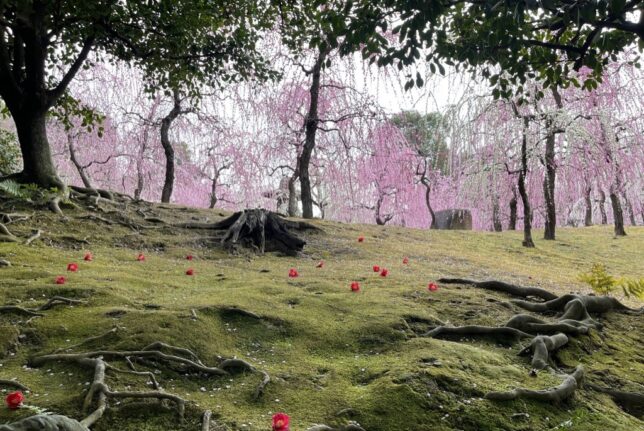
The first garden, Haru no Yama, is particularly spectacular from late February to early March, with 150 weeping plum trees and 200 camellias set against a lush moss garden.
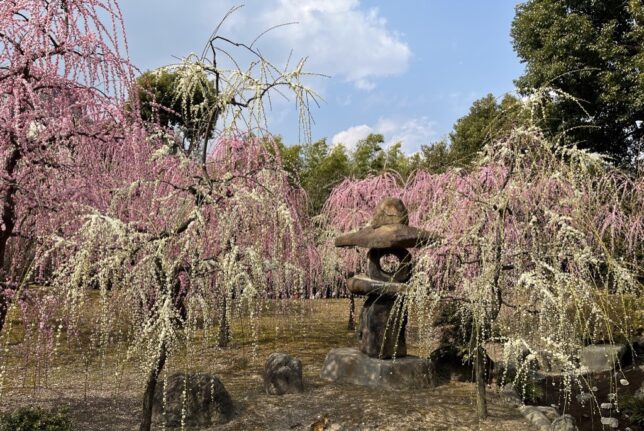
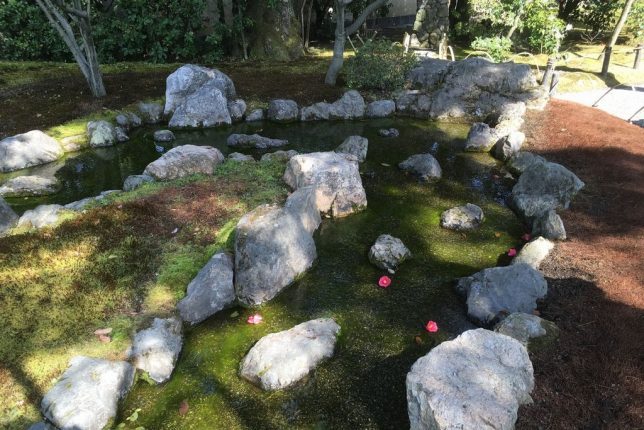
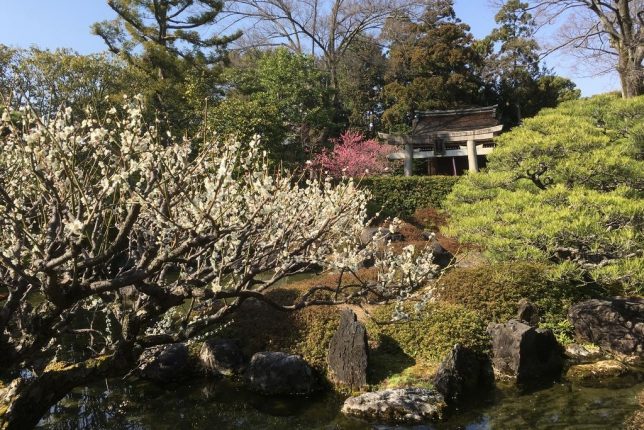
The path continues into Heisei Garden, featuring a stream, pond, and waterfalls. After Heisei Garden, visitors exit and enter another section across the road.
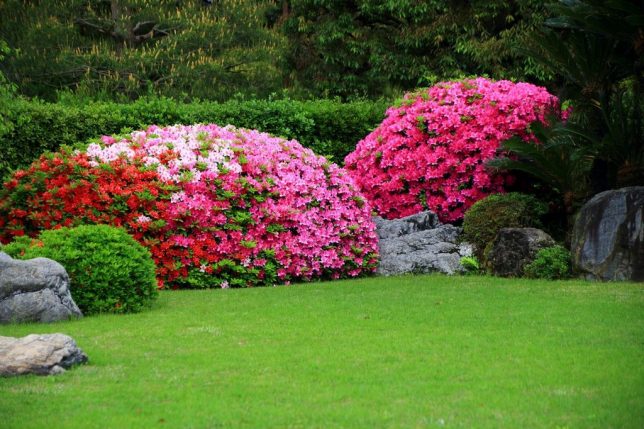
The first garden in this section is Muromachi Garden, which includes a teahouse where shrine attendants conduct tea ceremonies. From there, the path leads through Momoyama Garden and finally to Jonan Rikyu Garden, where visitors can enjoy cherry blossoms and azaleas in season.
Address : 〒612-8459 Kyoto Prefecture, Kyoto, Fushimi-ku, Nakajimatobarikyucho, 7
Access : 15-minute walk from Takeda station on the JR Nara line and the subway Karasuma line or take the Keihin bus No.6, 24, and 24A from Takeda station to Jonangu higashi-guchi.
Hours : 9:00 to 16:30
Admission : 600 yen